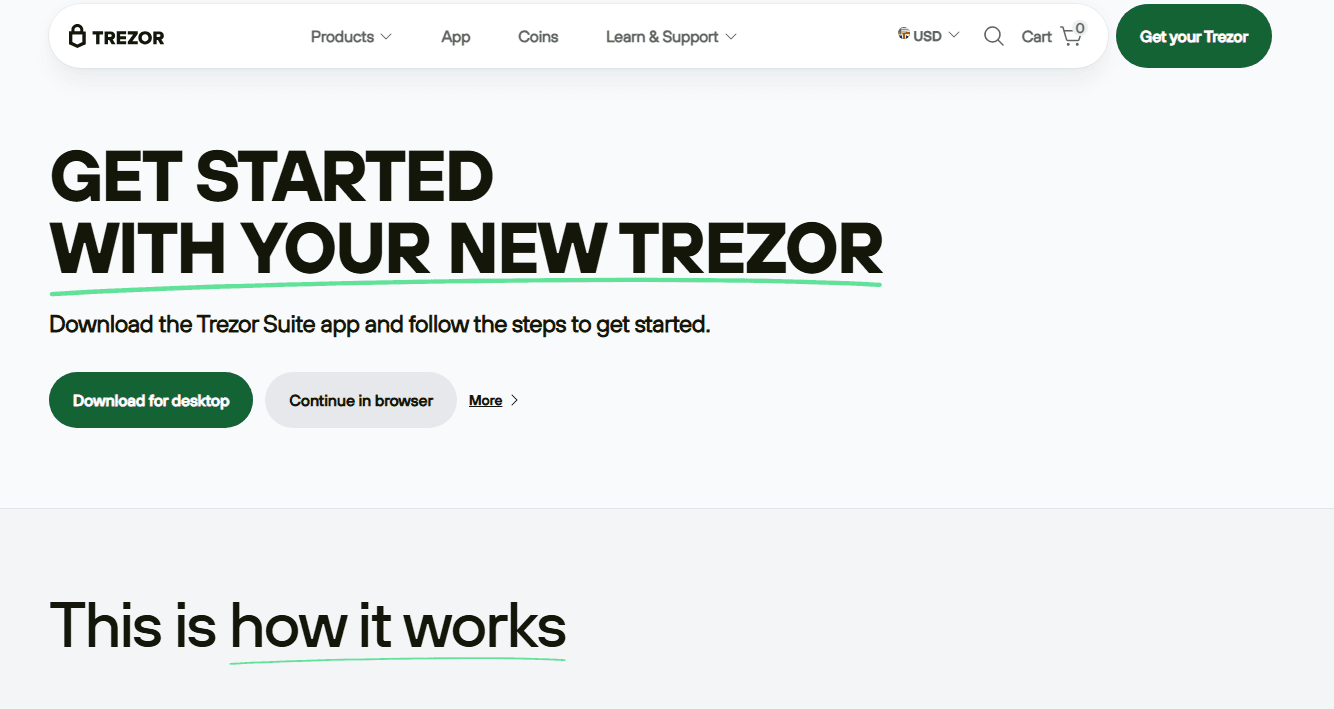
Trezor.io/Start: A Complete 1200-Word Beginner’s Guide
Getting started with a cryptocurrency hardware wallet can feel overwhelming, especially if you are new to digital assets or transitioning from a software wallet. Trezor, one of the earliest and most trusted hardware wallet brands, offers a secure and user-friendly environment to protect, manage, and store digital currencies offline. The official setup pathway, often referred to as the Trezor.io/start process, guides users through each step required to prepare a Trezor device for safe use. This guide provides a complete, rewritten, and easy-to-understand 1200-word explanation of how that process works, what users can expect, and how to stay secure while interacting with cryptocurrency.
1. Understanding What Trezor.io/Start Represents
Trezor.io/start is the beginning point for setting up any Trezor hardware wallet, whether it’s the Trezor Model One, Trezor Model T, or various branded editions of the device. It is not a cloud account or login portal; instead, it serves as an instructional hub that walks users through connecting their device, installing software, generating a recovery seed, and preparing their wallet for managing crypto assets.
The idea is simple: Trezor wants users to take full control of their assets without relying on centralized systems or online logins. Instead of passwords and accounts stored on servers, security is based entirely on the hardware device and the recovery seed that only the user possesses. The Trezor.io/start process ensures that you understand how to use the device safely and protect your information from potential threats.
2. Preparing for the Trezor Setup
Before beginning the setup journey, users should gather everything required. This includes:
A. The Trezor device
Your hardware wallet should come in original packaging with tamper-evident seals. It’s important to inspect the device before use to ensure it hasn’t been altered.
B. USB cable
Depending on the model, you may use a USB-C or micro-USB cable to connect the device to your computer.
C. A personal computer
Trezor devices require a computer or compatible device to install software and manage accounts.
D. A safe place to store your recovery seed
You will receive a blank recovery card with space to write your 12-word or 24-word recovery phrase. This card must be stored safely and kept private at all times.
Completing these preparations ensures you can move through each step of the setup without interruptions.
3. Installing the Trezor Suite
During the Trezor.io/start process, users are prompted to install the Trezor Suite, the official desktop application for managing assets. Trezor Suite is the central hub where you will view your accounts, track balances, send and receive crypto, and adjust settings.
Once installed, the Suite allows the device and computer to communicate. No private keys are ever shared with the computer. Instead, Trezor keeps them stored within its secure hardware environment, signing every transaction internally. This means your private keys never leave the device, even during the setup steps.
4. Connecting the Trezor Device for the First Time
The next step involves connecting your Trezor hardware wallet to the computer. When connected, the device will remain in bootloader mode until firmware is installed. Firmware is the operating system that runs on the device, enabling all the security features and crypto functions.
During the Trezor.io/start process, you will be asked to install the latest version of the firmware. This is crucial, because firmware updates often include security improvements and compatibility updates for handling new cryptocurrencies. Once firmware installation is complete, you can begin the wallet setup process.
5. Creating a New Wallet
After the firmware is installed, the Trezor Suite will give you the choice to create a new wallet or recover an existing one. Creating a new wallet generates a brand-new recovery seed, which acts as the ultimate backup of your crypto accounts.
A. Generating the recovery seed
The Trezor device will display the recovery seed word by word. Depending on your model, this may be a 12-word or 24-word phrase. These words must be written carefully and stored offline. This phrase is the most important part of your crypto security; anyone who has it can recreate your wallet, and if you lose it, your wallet cannot be recovered.
B. Confirming the recovery phrase
To ensure accuracy, the Trezor device often requires users to verify some of the words. This prevents errors and ensures that you copied the phrase correctly.
C. Never store your seed digitally
Trezor.io/start emphasizes that the seed should never be typed into computers, phones, or apps. The safest method is to keep it handwritten and stored privately.
6. Setting up PIN Protection
Once the recovery seed is created and verified, users are prompted to set a PIN for the device. The PIN acts as the first layer of protection. Every time the device is plugged in, you will need to enter this PIN through the Trezor Suite interface and confirm it on the hardware device.
Choosing a strong PIN is important. If multiple incorrect attempts are made, the device will reset itself for safety. This prevents thieves or unauthorized users from accessing your wallet even if they steal your hardware device.
7. Exploring the Trezor Suite Dashboard
After setup, the dashboard becomes the main place to interact with your crypto assets. You can:
Add accounts for various cryptocurrencies
View your portfolio and balance
Track transaction history
Send and receive crypto
Manage tokens
Connect to supported networks
Access advanced features like labeling or privacy settings
The dashboard is designed to be user-friendly even for first-time crypto users.
8. Adding Crypto Accounts
Trezor supports a wide range of assets, depending on the model. Each cryptocurrency requires its own account within Trezor Suite. For example, Bitcoin, Ethereum, Litecoin, and many ERC-20 tokens can be managed easily once their respective accounts are created.
Adding an account does not expose your private key. The hardware wallet generates a public address for receiving assets while all signing actions remain secured inside the device.
9. Receiving Crypto Through Your Trezor
Trezor.io/start also teaches users how to receive digital assets safely. When you generate a receiving address in the Suite, the Trezor device shows the same address on its screen. This confirmation step ensures that the address hasn’t been tampered with by malware on your computer.
Always confirm that the address displayed on your Trezor device matches the address shown on the computer before receiving funds.
10. Sending Crypto Using the Hardware Wallet
Sending crypto from a Trezor wallet requires physical authorization. The Suite allows you to prepare the transaction, but the hardware device must confirm it. This guarantees that no unauthorized transaction can occur without your approval.
Each time you send crypto:
Enter transaction details in the Suite
Review and confirm the details on your Trezor device
Press the confirmation button to authorize
This offline signing process is key to Trezor’s security model.
11. Keeping Your Trezor Device Secure
Security best practices are a major part of the Trezor.io/start process. Users should keep in mind:
Never share the recovery seed
Avoid storing seed words on digital devices
Keep the device PIN private
Store the hardware wallet safely when not in use
Update firmware when prompted
Use Trezor Suite only from official sources
These habits ensure long-term protection from risks like phishing, malware, or physical theft.
12. Recovering a Wallet Using Your Trezor
If your device is lost or damaged, you can recover your crypto using your recovery seed. During the Trezor.io/start recovery process, you will choose “Recover Wallet” instead of creating a new one. The device will allow you to enter the seed securely. Once complete, your wallet is restored with all accounts and balances.
This feature highlights why the recovery seed must be handled with total care. It is the only method of restoring your wallet.
Final Thoughts
The Trezor.io/start process is carefully designed to help every user understand the essentials of crypto security. From generating a recovery seed to managing assets through the Trezor Suite, each step prioritizes privacy, safety, and user control. With a Trezor hardware wallet, your private keys remain offline and protected, giving you full ownership over your digital assets.